Endocrine disruptors and breast cancer: understanding the risks and reducing exposure
Breast cancer is currently the most common cancer among women worldwide. While genetics and certain hormonal factors explain some cases, the environment also plays a major role. One of the most concerning areas of research involves endocrine disruptors, substances capable of disrupting our hormonal balance. But what is their link to breast cancer, and above all, what can we do to reduce our daily exposure?
What is an endocrine disruptor?
An endocrine disruptor is a chemical substance capable of interfering with our hormonal system, also known as the endocrine system. Hormones are true internal messengers: they orchestrate essential functions such as growth, reproduction, metabolism, sleep, and mood.
When an external product mimics, blocks, or alters the action of natural hormones, it can lead to subtle but persistent imbalances. Unlike some toxins that cause immediate effects, endocrine disruptors often act at low doses and over the long term, making them particularly insidious.
Some of the best-known include:
-
Parabens, used as preservatives in many cosmetics or pharmaceutical products.
-
Phthalates, found in certain flexible plastics, toys, packaging, and fragrances.
-
Bisphenol A (BPA), long used in food-grade plastics and thermal receipt paper.
-
Certain pesticides and perfluorinated compounds (PFAS), nicknamed forever chemicals because of their persistence in the environment.
Endocrine disruptors and breast cancer: why is there a link?
Breast cancer is a hormone-dependent cancer: the growth of certain tumors is stimulated by estrogens, natural female hormones. Many endocrine disruptors act as estrogen mimics. They bind to the same receptors, scramble signals, and thus create an environment conducive to tumor development.
Suspected mechanisms include:
-
Activation of hormone receptors: certain molecules such as parabens or BPA bind to estrogen receptors and stimulate cell proliferation.
-
Chronic effects at low doses: even very small, repeated exposures can have an impact, especially during periods of vulnerability (puberty, pregnancy, menopause).
-
Accumulation in tissues: some lipophilic endocrine disruptors (fat-soluble) accumulate in adipose tissue, particularly in the breast.
What scientific studies say
Research is advancing rapidly, but the results remain nuanced.
-
Experimental studies (in vitro, in vivo): they show that several endocrine disruptors (parabens, BPA, certain phthalates) possess estrogenic activity, promote the proliferation of breast cancer cells in the laboratory, and disrupt breast development in animals.
-
Epidemiological studies in humans: some have found traces of parabens in human breast tissue, or an association between BPA exposure and an increased risk of breast cancer. However, these results vary depending on the methodologies and still require confirmation.
-
Scientific consensus: although there is not yet definitive causal evidence for every molecule, the biological plausibility is considered strong. Major bodies such as the WHO, the ANSES (French Agency for Food, Environmental and Occupational Health & Safety), or the ECHA (European Chemicals Agency) classify endocrine disruptors among the public health priorities.
Windows of vulnerability: critical periods
Exposure to endocrine disruptors does not have the same effects throughout life. Certain key periods are particularly sensitive:
-
During pregnancy: maternal exposure can disrupt the development of the fetus's breast tissue.
-
At puberty: a pivotal time when the hormonal system is established.
-
During pregnancy and breastfeeding: breast tissues are highly responsive to hormones at this time.
This is why vigilance is all the more important during these stages of life, when environmental risks have a greater impact on hormonal health.
How to reduce exposure to endocrine disruptors?
Even though we live in an environment where these substances are ubiquitous, there are simple steps we can take to limit our exposure and reduce a risk factor for breast cancer:
-
Choose clean cosmetics: select products without parabens, phthalates, phenoxyethanol, or other controversial preservatives.
-
Limit food contact with plastic: prefer glass or stainless steel, avoid heating meals in plastic, and reduce the use of plastic wrap.
-
Choose organic food: this can reduce the ingestion of pesticides known for their disruptive effects.
-
Ventilate your home regularly: endocrine disruptors are also found in household dust from furniture, plastics, or household products.
-
Read labels: an essential habit for taking control of what you put on your skin and in your food.
The importance of screening and Pink October 🎀

Reducing exposure to endocrine disruptors is essential, but it is no substitute for screening. Breast cancer, when detected at an early stage, is curable in the vast majority of cases. This is why it is crucial to get regular check-ups: palpation, clinical examinations, and mammograms from age 50 (or earlier in cases of a family history).
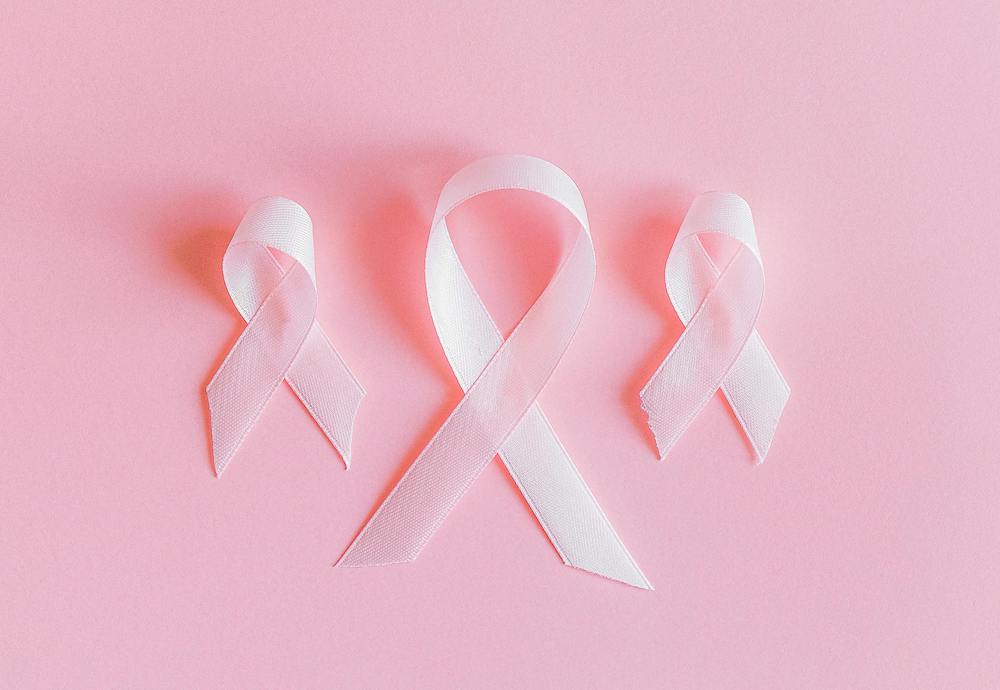
Every October, the Pink October movement reminds us of the importance of prevention and screening. This global campaign encourages women (and their loved ones) to become aware of the vital role of early diagnosis and to break the taboos surrounding breast cancer. Participating in Pink October also means supporting research and promoting better information about women's health.
In summary
The link between endocrine disruptors and breast cancer is still being scientifically explored, but the warning signs are serious enough to warrant caution. By taking action now on our consumption choices, we can reduce an avoidable risk factor.
In a world where the incidence of breast cancer continues to rise, every step counts toward limiting exposure to these invisible but very real substances.
CHO Nature's commitment: transparency in the service of health
At CHO Nature, we are convinced that a cosmetic product should never be a source of doubt or a health risk. From the brand's inception, we have made a clear decision: exclude controversial ingredients, such as parabens or phenoxyethanol, from all our formulas (see our commitments).
Our approach is based on a simple principle: to offer effective, sensorial, and gentle skincare, but always formulated with the highest safety standards. Thus, by choosing CHO Nature, you know that you are applying safe products to your skin, free from suspect substances.
Beyond the pleasure of skincare, it is also a preventive measure: reducing your body's cumulative exposure to problematic molecules, day after day. A way to take care of your beauty today while preserving your health for tomorrow.